
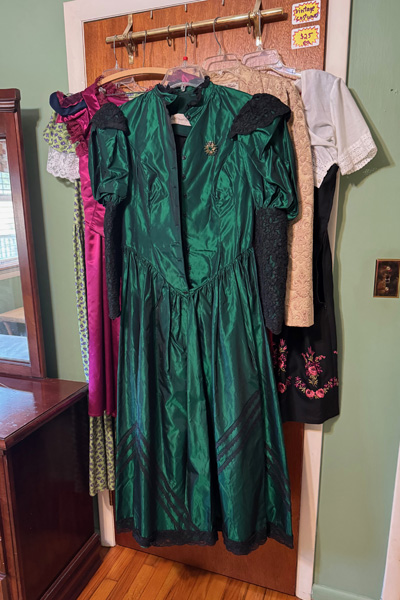
Wow! Internet con artists sure are slick. I was almost scammed on Facebook Marketplace last weekend while selling a few vintage dresses. As you know, I am extremely well-informed about psychopaths and their tactics. The scammers used all the standard con artist tricks. Yet the ploy was difficult to see while I was in the middle of it.
I’m sharing this story so you can see how easy it is to get caught up in a scammer’s manipulation. Here’s what happened.
I posted multiple items for sale on Facebook Marketplace for family members, including five vintage dresses that belonged to my stepmother. I priced the dresses at $25 each. I was not expecting any interest in them, so you can imagine my surprise when someone named “Krystian Goscinny” reached out via Facebook Messenger to purchase them.
His initial texts were standard inquiries — “Is this still available?” The texts are gone now — Messenger has a “disappearing messages” feature, which is convenient for con artists.
Krystian quickly wanted to leave Messenger and send direct text messages. This is what Internet predators do — they want to get out of the app and into your private phone. I didn’t think anything of it — I just thought he wanted to communicate more easily about the purchase.
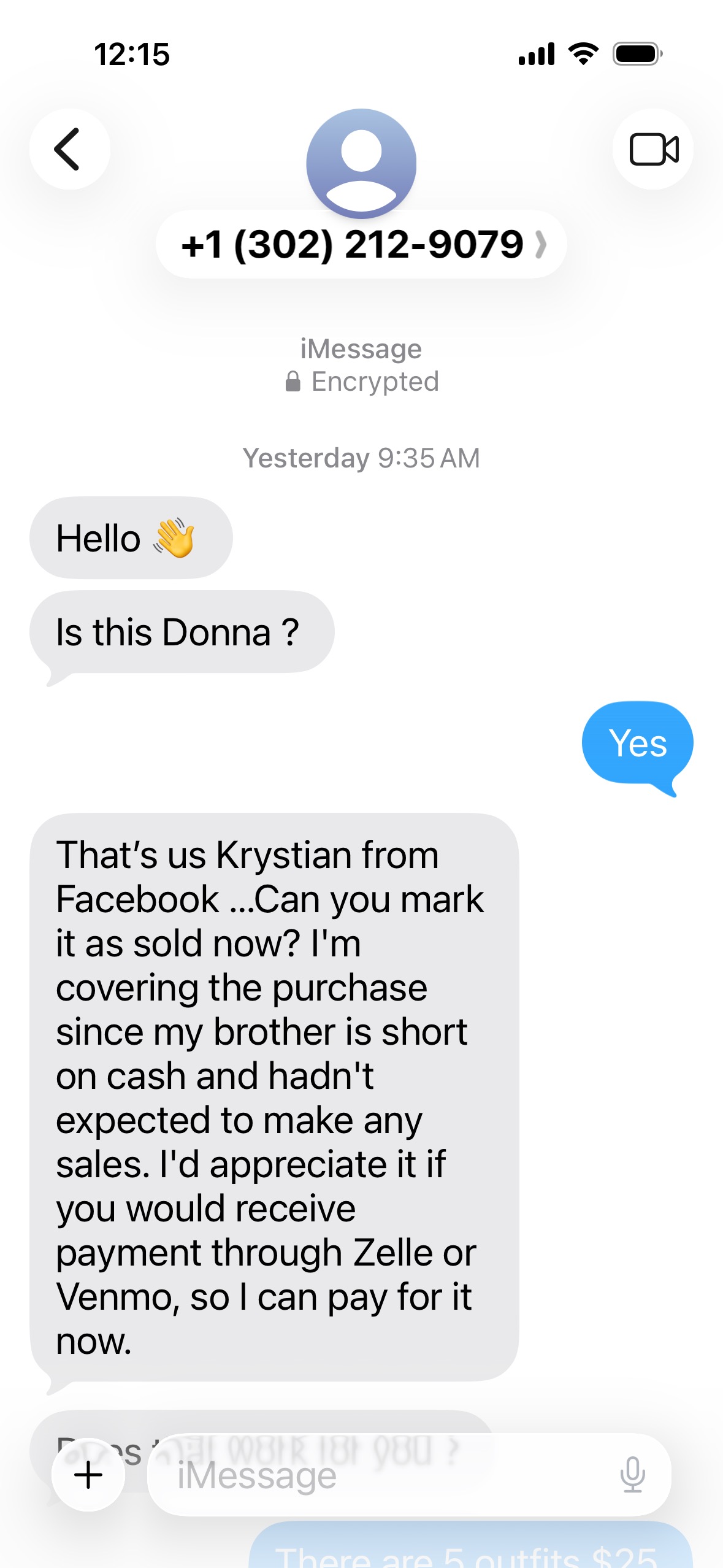
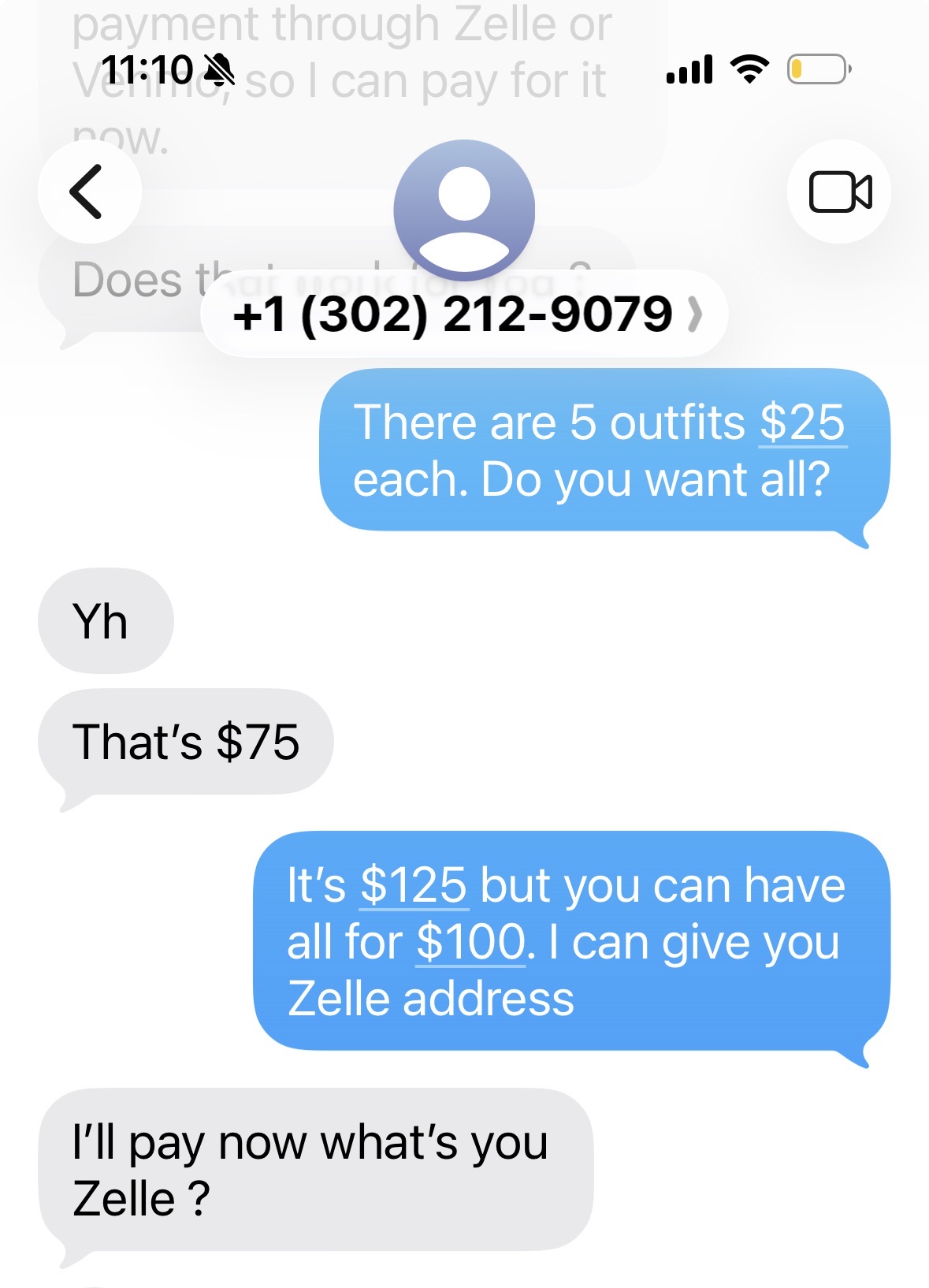
I wasn’t in my office, so I was texting with this guy on my phone. I was also running a garage sale, so multiple people were coming in and out. There was a lot of commotion. Plus, I don’t have the Zelle or Venmo payment apps, so I had to ask my husband for his.
The bottom line is that I was distracted, which is dangerous when you’re being scammed.
I could not respond to Krystian quickly. He appeared to really want the dresses, although he didn’t ask to see pictures of them all. That should have been a clue.
After a few minutes, he texted again:
Krystian didn’t want to send money to my husband; I was the target. So he said he wanted to pay me directly, because he’d had “previous bad experiences.” That was a joke, as you’ll see.
Anyway, I gave him my Paypal address and he quickly told me the transaction was in process.
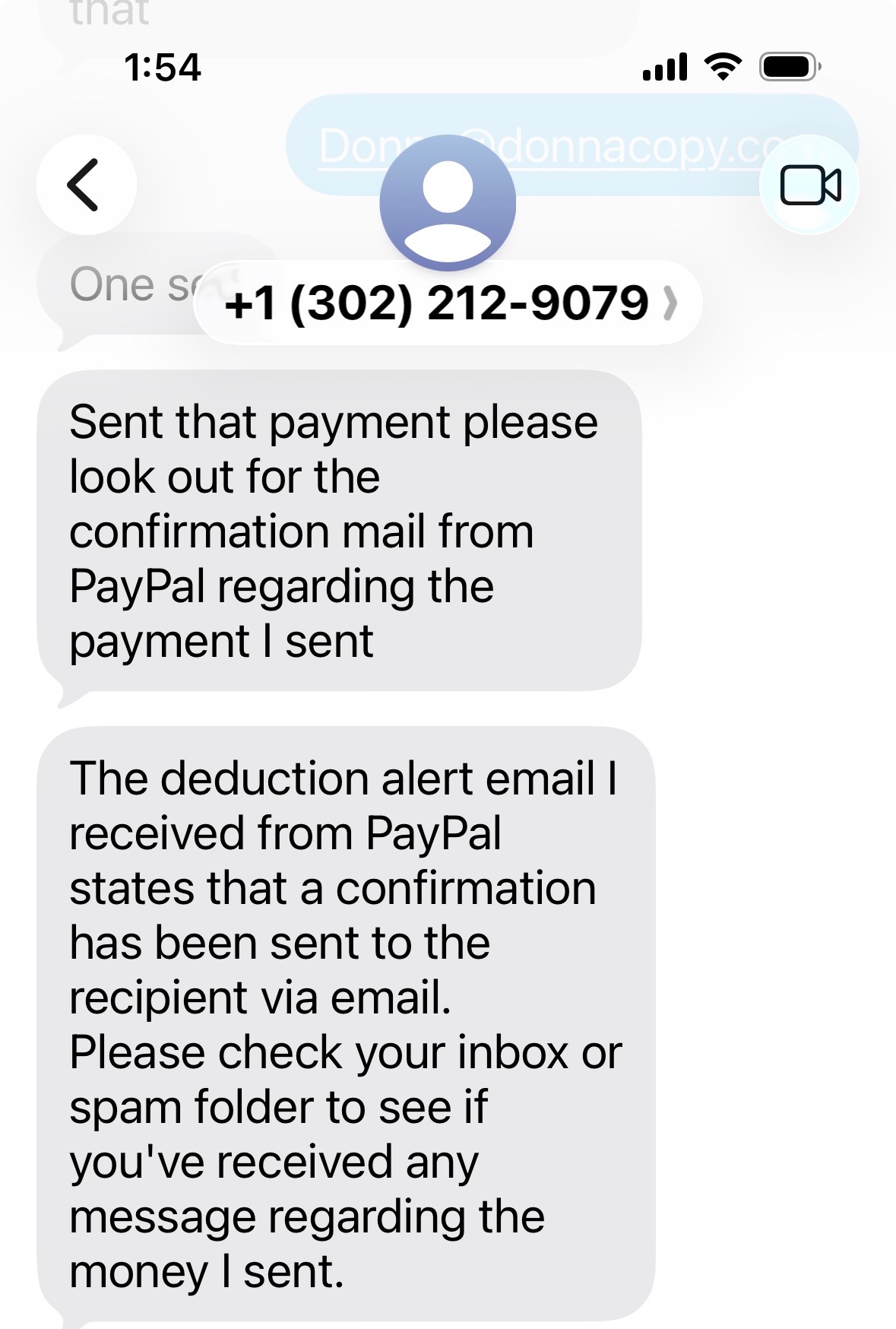
This is another con artist trick — in order to get you to trust them, they prove that they trust you. Krystian said he sent me $125. I noticed that I offered to sell the dresses for $100 and he paid $125. The result was that I felt more obligated to find his money and complete the transaction.
People continued coming in and out of the garage sale so I could not immediately check my email. Krystian called me on the phone. I didn’t answer. He called again. I said I didn’t see the email about his payment. He said I should call PayPal customer support
First I wanted to check my PayPal account to see if the money had arrived. But I didn’t have the PayPal app on my phone — unlike some people, I don’t use my phone for everything. When I finally got the app installed, the home page was full of ads — it’s awful and useless. I could find neither my transaction records nor the customer support phone number.
Krystian kept texting me. He was creating a sense of urgency — another standard scam tactic.
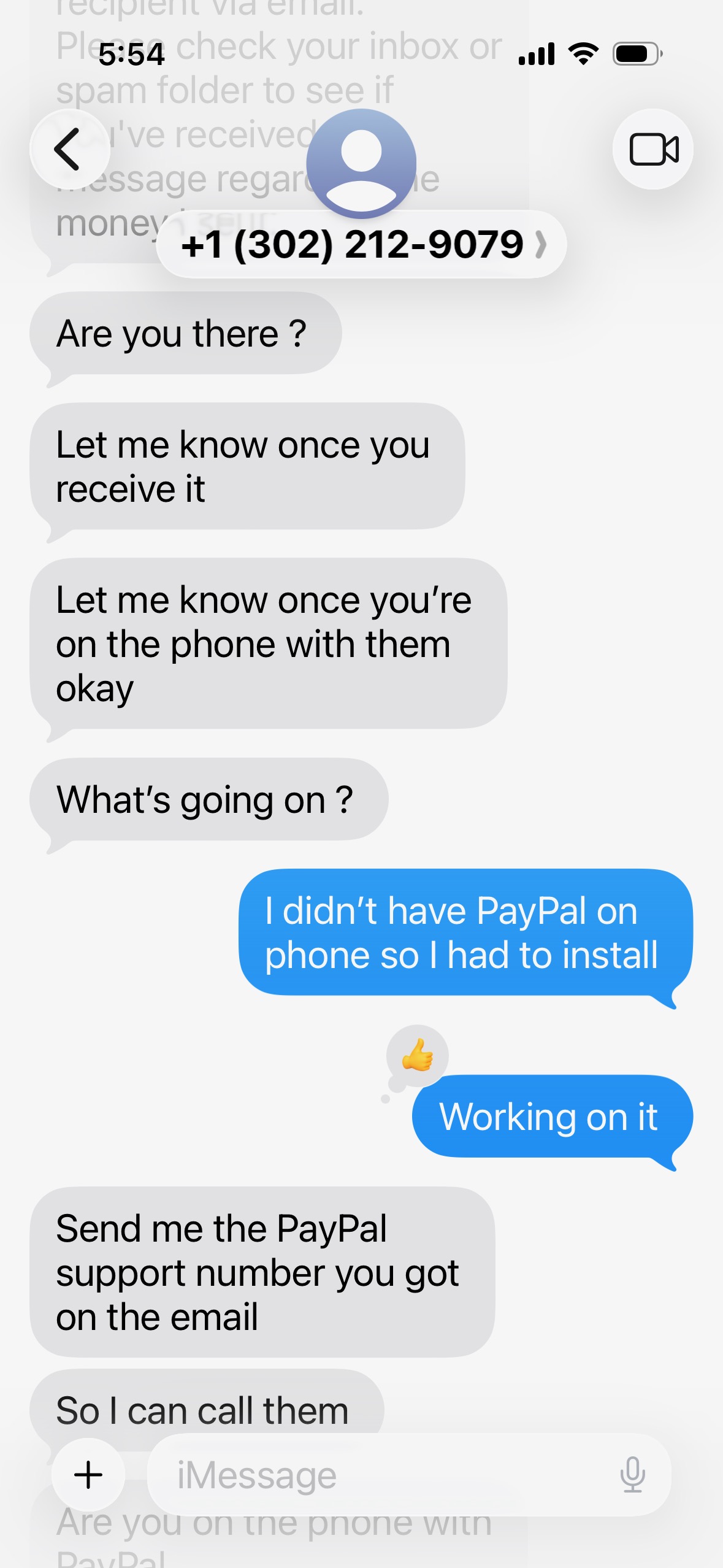
At this point, I found an email that PayPal supposedly sent to me. However, because I was reading it on my phone, the email address of the sender was not readily visible. Had I been on my laptop, I would have seen the address right away. It was:
OFFICIAL PAYPAL ONLINE SERVICE <teampaypalonlineunitservice@gmail.com>
It was a Gmail account — obviously, not from PayPal. Because the sender address was hidden, all I could see was notification that I’d received an additional payment of $500. This was when the scam really started.
Krystian called again. I told him I received the PayPal email, but there was no customer service phone number. He gave me a number to call. Then he sent more texts with a story about the difficulties of sending money from a PayPal business account to personal account:
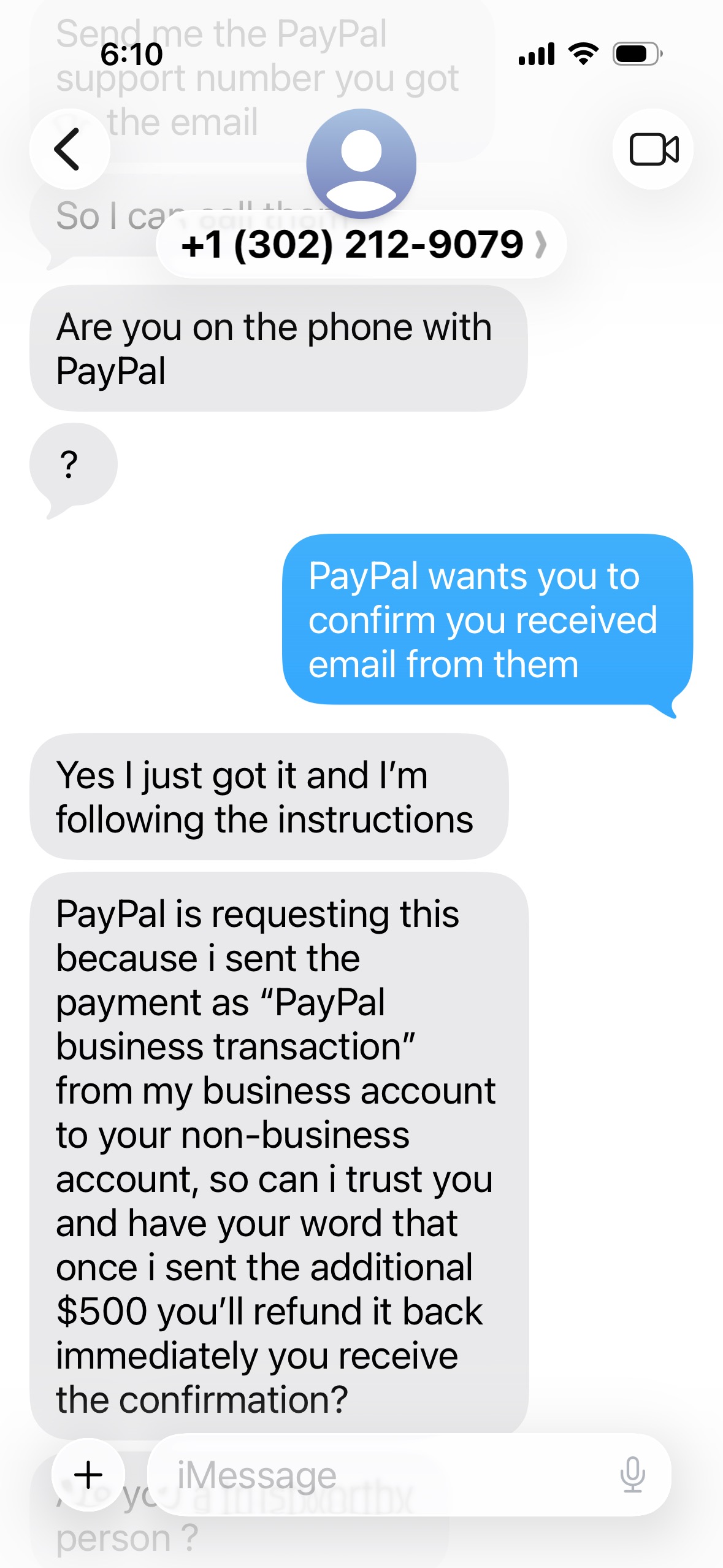
He came right out and asked if he could trust me. My mind is thinking, of course, I’m honest. Then Krystian came in for the kill. Even though I immediately recognized what he was doing, I fell for it.
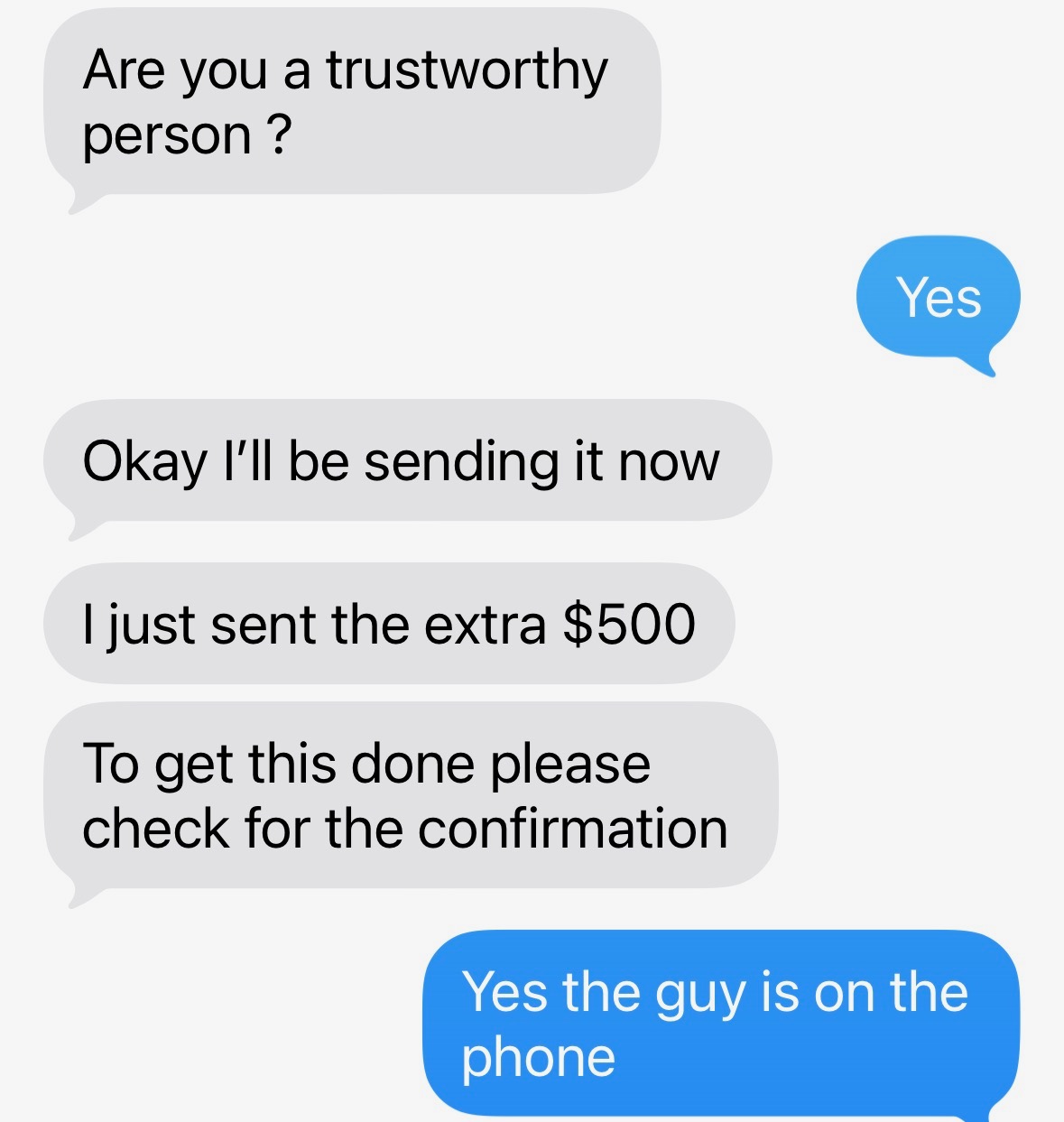
PayPal’s “customer support representative” had a thick Indian accent — which made it seem like he was calling from an actual call center. But he spoke quickly and I had trouble understanding him. I asked him multiple times to slow down. He agreed to speak “more gently.”
It was a FaceTime call, although I never saw the guy’s face. He said he could walk me through the process of completing the transaction. FaceTime enables you to share your screen on the phone, which I’d never done. The guy told me how to share my screen and drew circles showing me which buttons to push.
He wanted me to enter $500 in the “Amount” field, which I did. Then he wanted me to put in an email address. I put in my email address. “That’s the wrong address,” he told me.
The “PayPal customer support rep” was talking quickly and I still couldn’t understand him. He was actually getting annoyed. Real customer service reps don’t get annoyed.
In the meantime, my husband, Terry, came in. I complained about how difficult it was. Then the “PayPal customer support rep” wanted me to enter a refund amount of $999.
“$999? For what?” I asked.
“That’s correct,” the guy said.
“This is bullsh*t” Terry said. “You’re not doing that.” My husband broke the spell, and I hung up and sent one final message:
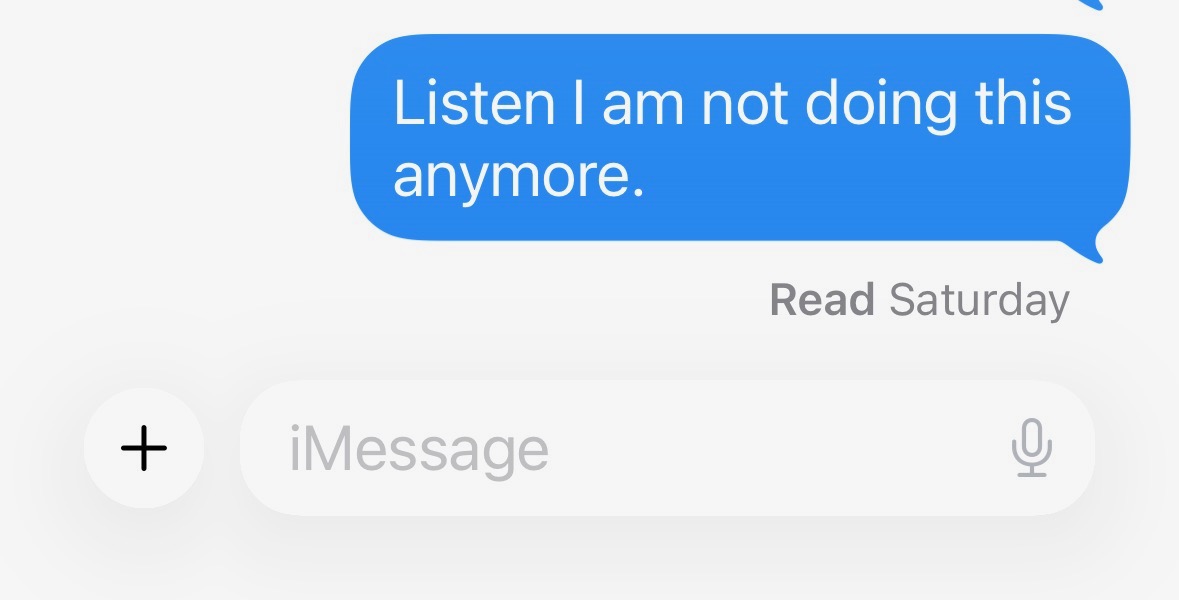
That’s when I realized the whole thing was a scam. Had I just sent some con artists my money?
I was scared. I immediately called my bank. Luckily, because I hadn’t been able to follow the instructions from the “PayPal customer support rep,” I didn’t actually transfer any money.
This experience reinforced just how easy it is to fall for a scam. I knew better. I ignore scam calls and emails all the time.
But in this case, I was vulnerable. I was selling items on Facebook Marketplace. I expected to hear from people whom I didn’t know, so my guard was down. And I wanted to make the sale. The scammers knew all of this and used it to their advantage.
Krystian and the Indian “customer support rep” tag-teamed me. They created confusion and pressured me. But as it was going on, I didn’t see what they were doing. In fact, as the “customer service rep” was getting annoyed, I remember thinking that I wasn’t stupid, I knew how to follow directions, the problem was that he spoke too quickly and with a thick accent.
Their main weapon was my own desire to make the sale. Because I wanted that small dream to come true, I engaged with them and then got caught up in the whirlwind.
Interestingly enough, on the first inquiry I received for another sale item, Facebook Marketplace posted a warning: “Beware of common scams using payment apps. Watch out for fake emails or requests to upgrade your payment account.”
That’s exactly what the con artists did, but the warning did not sink into my awareness. I was almost scammed on Facebook Marketplace.
My con-artist ex-husband did exactly the same thing — just with far bigger numbers.
The moral of the story: If someone wants you to do something, and you’re feeling confused and pressured, STOP.
 After 30 years with a sociopath, can Tapping help me recover?