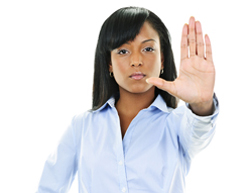

“I’ll never date again.” I can’t tell you how many times Lovefraud readers have said this after being betrayed by a sociopath or narcissist. I get it — the soul-crushing experience of lies, manipulation, exploitation and perhaps physical assault leaves you wanting to do nothing but crawl into a cave. But I assure you, you can recover, and healthy relationships after the sociopath or narcissist are possible.
The key, as I’ve said many times here on Lovefraud, is emotional recovery. That means allowing yourself to feel and process the emotional wounds inflicted by the sociopath, and probably by other people in your life as well. The work of recovery is messy and takes time, but it is truly worth the effort.
Then what? Yes, you may be feeling better, but as you start to move forward, how can you trust yourself to know if your next relationship is safe?
No family role models
Many people who have been romantically involved with sociopaths realize, after they learn about personality disorders, that they grew up in disordered families. Was this your experience?










Read more: Trust after betrayal by the sociopath
Perhaps your father was sociopathic and your mother eventually became dispirited — a shell of herself. Perhaps your mother was narcissistic and your father stayed out of her way by working lots of overtime, so he was never there to protect you. Perhaps you grew up with the “golden child and scapegoat” scenario, where a sibling could do no wrong and you were subjected to ridicule. Perhaps other family members were abusive and got away with their bad behavior.
In any event, there was no love and respect in your family, but you didn’t know this, because you had nothing to compare it to. As far as you knew, all families were like your family, so when you became romantically involved with someone who behaved just like your mother or father, you thought it was normal.
Now you know that both your partner and your family life were dysfunctional — but what does a true healthy, loving relationship look like?
Key is respect
Any truly healthy relationship is built on a sturdy foundation of respect.
What does this mean? If you search “respect in relationships” on the Internet, you’ll find all kinds of examples and descriptions. These include speaking with honesty, keeping confidences, involving your partner in important decisions, paying attention when your partner speaks, honoring his or her boundaries, and supporting your partner’s choices and desires.
Sociopaths, you may have noticed, do none of these things. The entire relationship is built on deception and manipulation. They prompt you to confide your deepest secrets, and then use them against you. They make all kinds of decisions without your input, like quitting jobs, taking on credit card debt and remortgaging the house. Your boundaries, especially in the bedroom, may mean nothing. What you want doesn’t matter to your disordered partner at all.
In summary, when you respect your partner, you value him or her as a person and take your partner seriously. Sociopaths don’t do this. They view you as an object to be used for their own agenda. There is no respect.
Learning the signs of healthy relationships after the sociopath or narcissist
Respect is the first sign of a healthy relationship, but there are more. In her new webinar, Mandy Friedman, LPCC-S, CCDVC, CCTP goes into depth about how healthy people behave, and how they don’t behave. If you want to learn more about healthy relationships after the sociopath or narcissist, I invite you to check it out.
When you’re still raw after the experience with the sociopath, “I’ll never date again” may feel like the safest way forward. And it is, for a while. But if you continue to isolate yourself, it means that the sociopath is still exerting power and control over you.
You deserve better. You deserve to learn from your experience, as painful as it was, and then recover and build a new life. How do you do this? By learning to recognize healthy relationships after the sociopath or narcissist.
Learn more: Survivor’s guide to healthy people and healthy relationships
 Story of the abusive ex-husband, now dead, cites Lovefraud’s Senior Sociopath research